GUANG JUN · THE MUSICIANS SERIES
Claudio Monteverdi
1567–1643
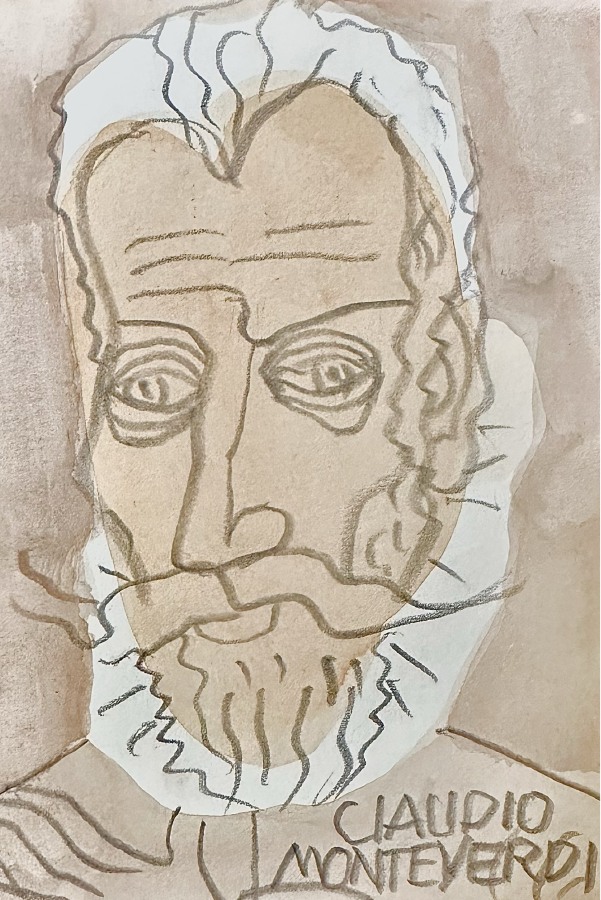
Musicians series · Printed reproduction
01 · LIFE
A life in music
Born in Cremona, Monteverdi worked at the Gonzaga court in Mantua before becoming music director at St Mark’s Basilica in Venice. His madrigals, sacred music and operas stand at the transition between Renaissance and Baroque practice. L’Orfeo helped establish opera as a richly expressive dramatic form. In his later Venetian years, he also contributed to the emerging public opera theatre, bringing psychological depth to characters drawn from history and myth.
02 · MUSICAL LANGUAGE
Sound & style
For Monteverdi, music follows the emotional force of words. Expressive dissonance, speech-like vocal writing and contrasts between solo voices, ensembles and instruments intensify the drama. He combines the interwoven voices of Renaissance polyphony with the directness of early Baroque declamation.
03 · ESSENTIAL LISTENING
Start listening
- 01Find recordings ↗
L’Orfeo
1607
- 02Find recordings ↗
Vespro della Beata Vergine
1610
- 03Find recordings ↗
L’incoronazione di Poppea
1643
Sources & further reading
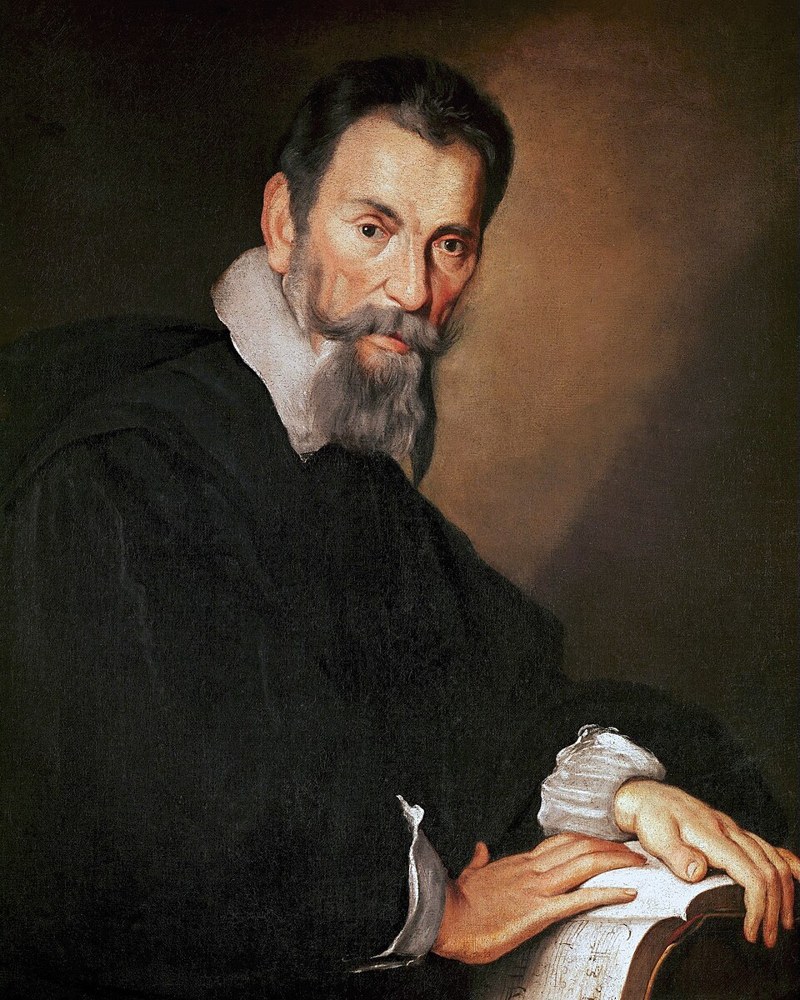
The artwork is a printed reproduction. The historical portrait is shown for reference.
Explore all portraits →